JBoss EAP 7 to EAP 8 Migration
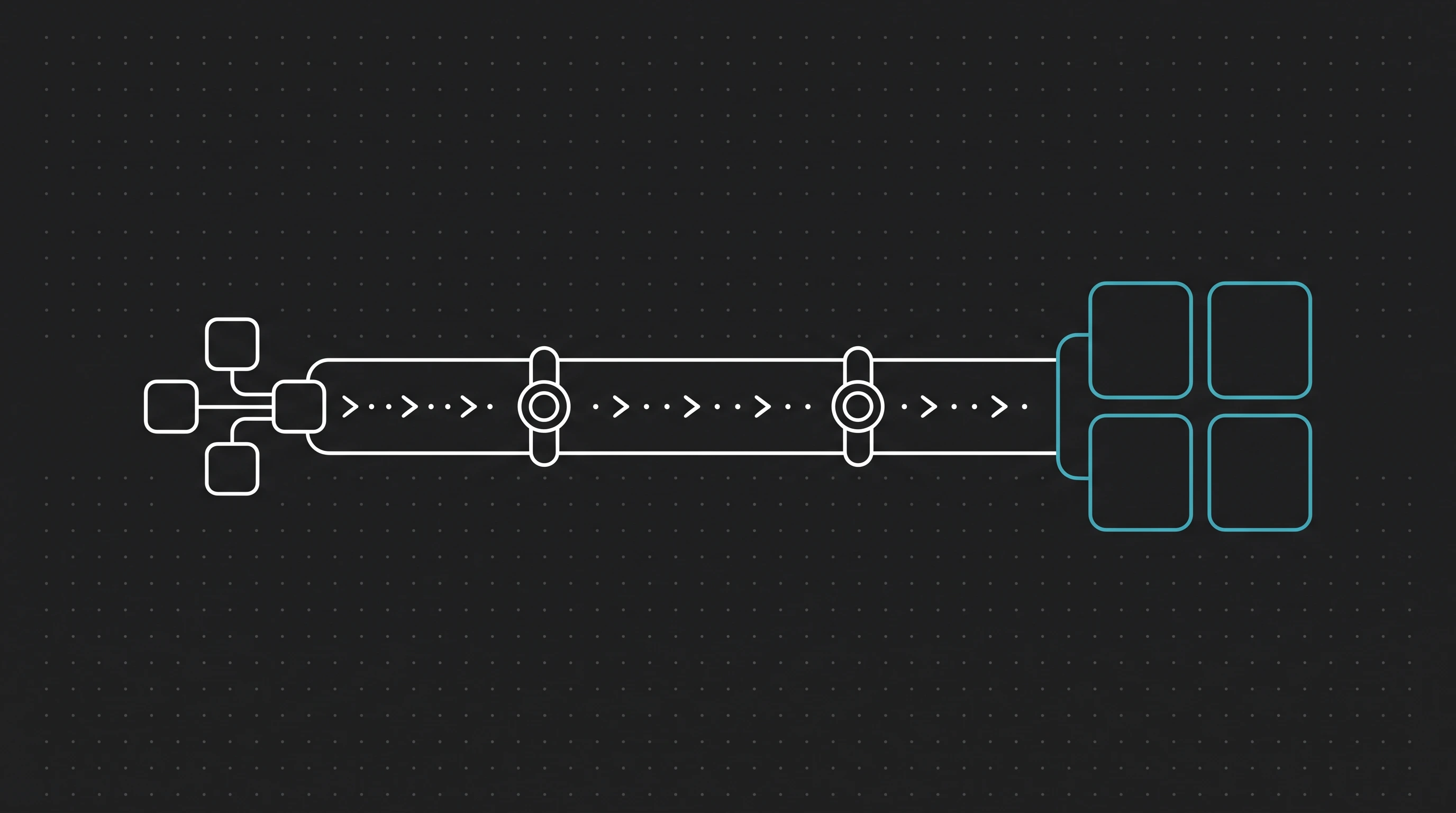
What IT leaders need to know before the project: namespace changes, Ansible automation, and a standardized operating model that holds up under audit.
Many teams are facing the task of moving from JBoss EAP 7 to EAP 8. The technical migration is doable. The real difference comes from setting up operations cleanly and repeatably afterward. Here is what IT leaders should know before they start.
The Technical Break Is Real
The biggest step is the move from Java EE / Jakarta EE 8 to Jakarta EE 10. That means above all: the namespace change from javax to jakarta. Many applications, libraries, and build processes are affected.
On top of that come changes to configurations, server modules, security settings, logging, datasources, and messaging. Not every application requires the same amount of work. Each one needs to be assessed individually.
Anyone who migrates manually only solves the version problem — but creates new differences between Dev, Test, and Production. That is exactly what makes audits harder later.
The Current Situation — Confirmed by Red Hat
Since June 30, 2025, JBoss EAP 7 is no longer under regular Maintenance Support. Only Extended Life Cycle Support (ELS) applies. ELS-1 runs until October 2027, ELS-2 until October 2030. After that, security updates will be almost nonexistent.
Red Hat itself recommends in its documentation either migrating to EAP 8 or using ELS only as a genuine bridge. Many organizations are now realizing that manual operating models become more expensive and more risky over time. Audits demand stronger evidence. The staff who truly know the old systems is shrinking.
This is not a theoretical problem. It is the real situation for everyone still running EAP 7.
Why Automation Is Decisive Here
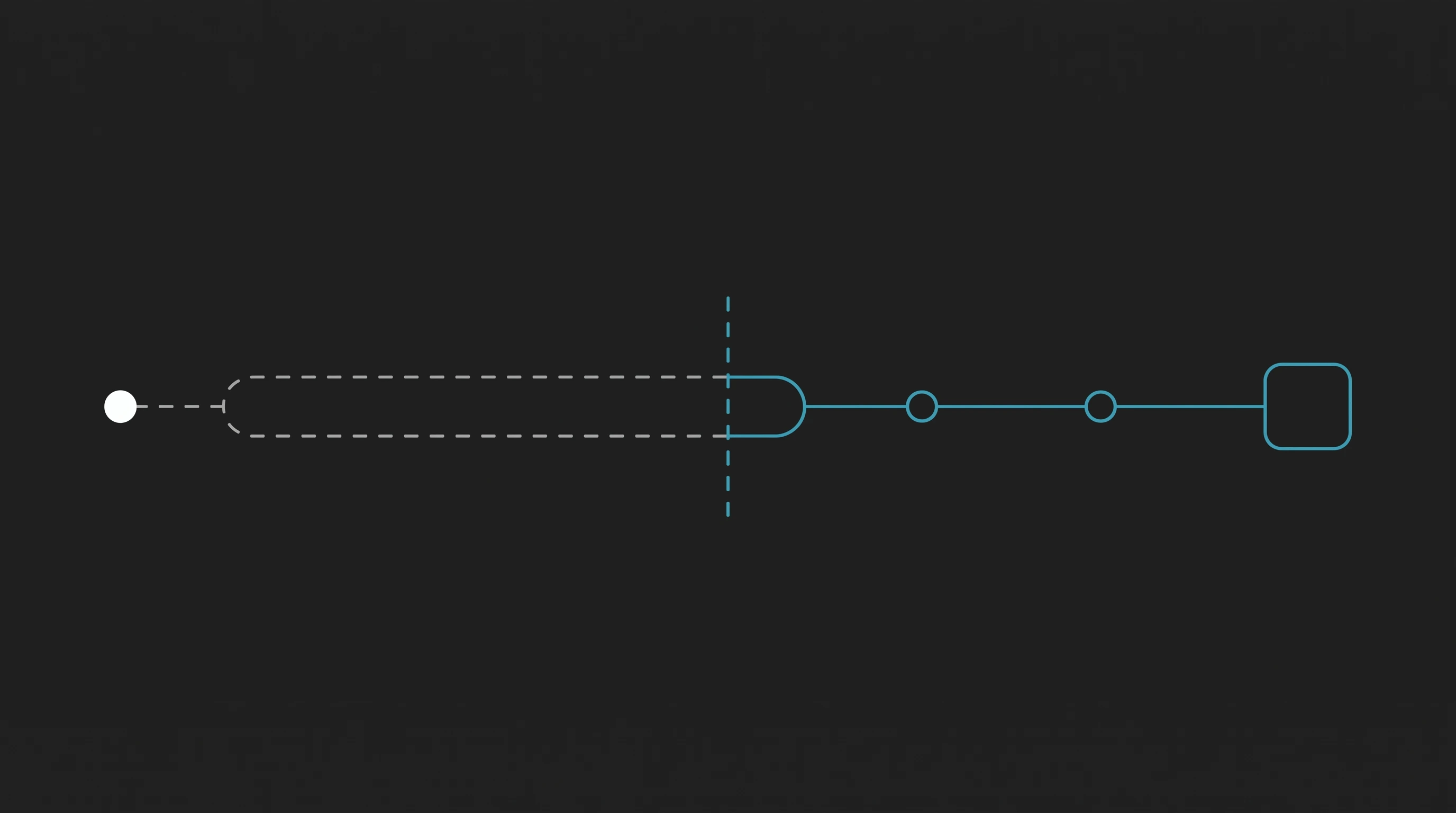
A clean migration to EAP 8 should not just change the version. It should leave behind a standardized operating model.
Ansible Collections make this possible. You define clear target states for installation, hardening, configuration, and deployment. The same playbooks then run across all environments.
The result: Dev looks like Test. Test looks like Production. Changes go through code, not manual intervention. That reduces errors and makes audits easier.
How SPAS Helps
This is exactly where the Secure Platform Automation Suite (SPAS) comes in. The Secure JBoss EAP Platform Automation module makes the migration and the subsequent operation secure, standardized, and auditable.
SPAS delivers ready-made building blocks: the lennlay.jboss collection for installation, hardening, configuration, and deployment. Add to that Golden Images via GIaaS as a clean baseline, and a Compliance Scanner that checks JBoss instances. Drift detection surfaces deviations early.
You do not rebuild everything from scratch. You use the predefined logic and adapt it to your environment. That saves time and creates traceability for audits from day one. The goal is not just to get EAP 8 running. It is a platform you can operate simply and securely afterward.
What IT Leaders Should Clarify Before the Project
Ask yourself these questions before the project kicks off:
- Which applications will stay in use longer? Only those justify the full effort.
- How strong is the audit pressure? NIS2, BSI, or internal regulations demand traceable hardening and documentation. EAP 8 alone is not enough. You need the right process alongside it.
- Who does the work? Internal teams usually have day-to-day business to manage. External help can bring speed and structure without knowledge being lost afterward.
- What is our target picture? Are we staying with classic servers or planning containers later? EAP 8 is a solid intermediate step that later eases the path to OpenShift.
Typical Steps in Practice
- Take inventory — What versions, configurations, and dependencies actually exist?
- Assess applications — Where is the effort for the namespace change and configuration updates?
- Define the target platform — Golden Images or automated builds with clear baselines.
- Build automation — Collections and playbooks for installation, hardening, and deployment.
- Roll out incrementally — Dev first, then Test, then higher stages. Always with drift checks.
- Secure documentation and evidence — For audits and ongoing operations.
What Real Projects Show
In migrations we see it again and again: the initial investment in automation pays off from the second environment onward. After that, new stages run reproducibly.
The team does not just learn the new version. It learns how to operate platforms cleanly going forward. That reduces risk in the next update or audit cycle.
Conclusion
The migration from JBoss EAP 7 to 8 is more than a version jump. It is the opportunity to move operations from manual and grown to standardized and automated.
Whoever does it by hand only solves the immediate problem. Whoever builds in automation creates a foundation for the years ahead.
Assess your inventory and decide how much you want to improve operations afterward. That determines how much value the migration actually delivers.